

Selecting a hardwood floor for your space can seem daunting. Walk into a flooring showroom and you’ll find hundreds of options spanning different constructions, widths, species, finishes, and textures. But beyond these visible differences, what gives hardwood flooring its distinctive character—and makes it a timeless choice for premium residential and commercial applications?
The answer goes far beyond color.
A hardwood floor’s character is shaped by a combination of factors, from the tree itself to the way the raw material is sawn, graded, textured, stained, and finished. Understanding these elements makes it easier to look beyond a sample’s surface and recognize what truly distinguishes one floor from another.
It Starts With the Wood
Every hardwood floor begins with its natural source material, and no two trees are exactly alike. Species, growing conditions, age, and the individual characteristics of the tree all influence the appearance of the finished floor.
Even within a single species, boards can vary in tone, grain direction, and natural markings. This inherent variation is one of the defining qualities of authentic hardwood, bringing depth and visual interest from board to board.
Villa Caprisi, Umbria
Wood Grade Defines the Level of Character
Grade is one of the most significant factors affecting a floor’s appearance. Higher-select grades generally offer a cleaner, more consistent look, with fewer knots, mineral streaks, and other natural markings More character-driven grades allow greater variation, including knots, sapwood, mineral streaks, burls, and differences in color and grain.
Neither approach is inherently better. They simply create different aesthetics. A more refined interior may call for a more uniform grade, while a project seeking warmth and an organic appearance may lean toward an option with greater natural variation and character.
Urbanfloor’s Prima Lusso Collection is comprised of prime-grade oak, prized for its sleek and clear aesthetic.
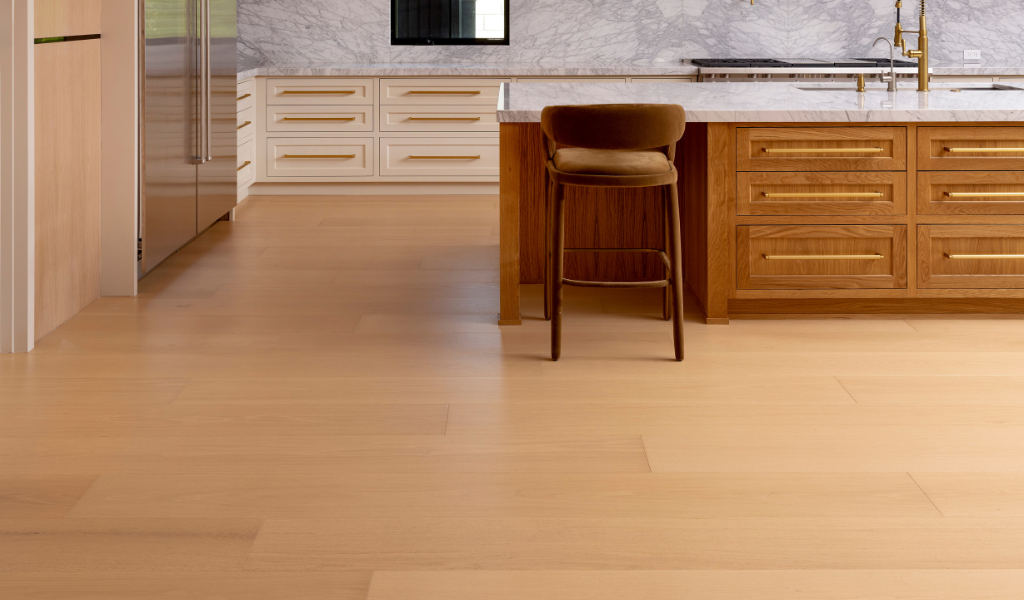
Prima Lusso, Lucente
Texture Brings the Grain Forward
Surface texture can further emphasize the natural characteristics of wood, whereas smooth flooring creates a more refined appearance, allowing the grain and natural markings to remain the focus. Wire-brushing removes softer portions of the wood and accentuates the grain, adding subtle texture and dimension. More pronounced techniques can create a distinctly aged or handcrafted appearance.
Rather than creating character from nothing, these treatments can reveal and emphasize characteristics already present in the wood.
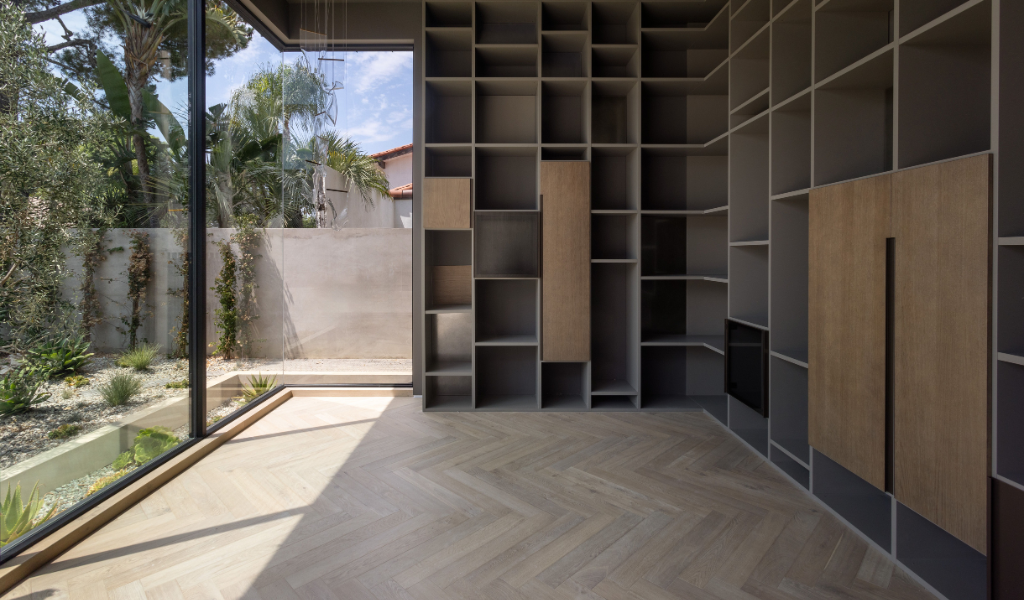
Timbertop Herringbone, Mauritius
Color Is More Than a Stain
Color may be the first thing we notice when selecting a floor, but the way that color is achieved can have a significant impact on the final appearance.
Traditional stains primarily add color to the surface of the wood. Reactive staining takes a different approach, using compounds that interact with naturally occurring components within the wood. The result can be more nuanced and vary more from board to board, allowing the wood’s natural grain and composition to influence the final color.
Smoking and fuming can similarly alter the underlying tone of certain species while preserving their natural characteristics.
These techniques demonstrate an important distinction between simply coloring the surface of the wood and transforming its appearance through the properties of the wood itself.
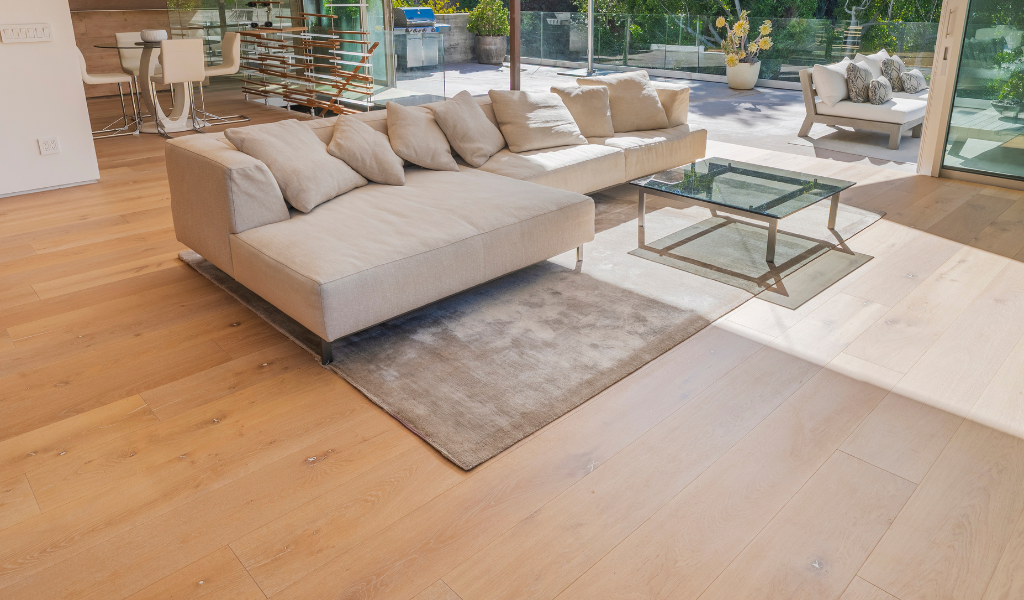
L’artiste, Chantereau
The Finish Completes the Look
The final finish influences how all of these characteristics are perceived. Higher-sheen surfaces create a more polished appearance, while matte and low-sheen finishes tend to allow grain and texture to take center stage. The finish also affects how light moves across the surface, influencing the perceived depth and variation of the floor.
For premium hardwood flooring, the goal is often to protect the material while allowing its natural characteristics to remain visible. This is one reason matte finishes have become increasingly popular, offering a more understated appearance that lets the wood itself take center stage.
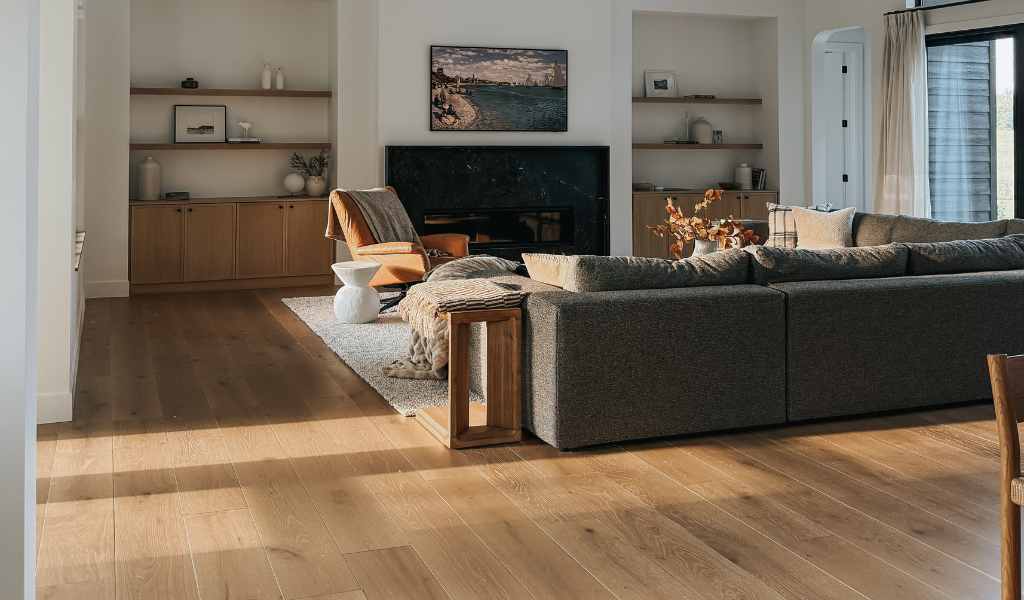
Villa Caprisi, Carrara
Character Is the Sum of Its Parts
Ultimately, a hardwood floor’s character isn’t determined by a single feature. It is the result of many natural and intentional variables working together:
Species + grade + grain + texture + color treatment + finish
Change any one of these elements, and the appearance can change significantly.
This is also what distinguishes authentic hardwood from materials designed primarily to reproduce its appearance. Synthetic surfaces can replicate the visual suggestion of grain, knots, and color variation, but natural hardwood derives these characteristics from the material itself.
Premium hardwood doesn’t have to look rustic or heavily varied. It can be exceptionally clean and refined, richly textured and characterful, or anywhere in between. The advantage is choice—and the ability to select a floor whose character complements the architecture and design intent of the space.
When evaluating hardwood flooring, look beyond the color on the sample. Consider how the wood was graded and how its grain has been treated, how its color was developed, and how the finish interacts with the surface. These details are what give hardwood its depth, dimension, and unmistakable character that last for years to come.
Ready to find the right character for your project? Explore our hardwood flooring collections to compare species, grades, textures, finishes, and colors—or contact our team for help selecting a floor that fits your design vision.