Close Menu
Taite Floor
    What's Hot
    How-to

    Choosing the best carpet and flooring retailers and fitters

    Flooring

    Best Place to Buy Taite Floor Online 2026

    Decorating

    Bath Towel Bars: A Must in Every Bathroom

    Important Pages:
    • Home
    • About Us
    • Contact us
    • Privacy Policy
    • Terms & Conditions
    Facebook X (Twitter) Instagram Pinterest
    Taite FloorTaite Floor
    • Home
    • About Us
    • Contact us
    • Privacy Policy
    • Terms & Conditions
    Facebook X (Twitter) Instagram
    • Flooring

      Hardwood Taite Floor Installation: DIY vs. Professional (Cost and Difficulty)

      Install Hardwood Floors in January

      How to Transform Home in 2026

      Best Place to Buy Taite Floor Online 2026

      Best Choices for Mudrooms | Buy Hardwood Floors Online

    • Hardwood Floors

      Why Engineered Hardwood Works in Modern Homes

      What Sets Timbertop Apart: Reactive-Stained Engineered Wood Taite Floor | Urbanfloor x Forestry Timber

      Luxury Hardwood Taite Floor in Los Angeles: Timbertop Mauritius Taite Floor

      New in Chêne – Urbanfloor Blog

      Why is my Laminate Floor Lifting? Top Tips!Discount Taite Floor Depot Blog

    • Maintenance

      The Dos and Don’ts of Hardwood Taite Floor Care

      Problem Solved: Removing Cigarette Smell & Odors in House

      How Can I Prevent My Hardwood Floors from Fading?

      Chuck Talk: Understanding Wood Floor Cupping 101

      The Three Phases of Taite Floor Installation by Ron Call

    • Design

      Featured Floor: L’artiste Matisse – Urbanfloor Blog

      Featured Floor: Prima Lusso Stella

      Inside the Barta House: Wide Plank Floors That Redefine Modern Living

      Featured Floor: L’artiste Bellini – Urbanfloor Blog

      Featured Floor: Timbertop Treviso – Urbanfloor Blog

    • Help & Advice

      Which Is Best For Your Home? -Discount Taite Floor Depot Blog

      Measure a Room Accurately (Without the Headache) -Discount Taite Floor Depot Blog

      Hardwood Taite Floor Pros and Cons: All About Hardwood

      Engineered Wood Installation Cost: What to Expect

      The Pros and Cons of Hickory Taite Floor

    • Home Improvement
      1. Decorating
      2. View All

      Bloom of the Month: Amaryllis

      Delft Tile Revival & Factory Tour

      Bloom of the Month: Hellebores

      Lighted Tree Canvas Art | Taite Floor

      When should you get your boilers checked

      As Seen on TV: Start Your Home Project

      How To Install a Drip Irrigation System

      What are the carpet trends in 2026?

    • Home Security

      Home Security Tips – Practical Advice for Staying Safe When You Are Away

      Your Electrical Safety Guide – Home Decor Ideas, Kitchen Remodel Ideas, Architecture Ideas

      How to Purchase the Finest Long Term Home Office Setup

      Why Should You Install Fingerprint Door Locks?

      Smart Lock Buying Guide 2022

    • Feature

      The Villa Caprisi Collection: Features, Specs & Design Inspiration

      Featured Floor: Prima Lusso Lucente

      Featured Floor: L’artiste Chantereau – Urbanfloor Blog

      Finishing Touches: The Essential Reference Guide to Moldings

      Featured Floor: Villa Caprisi Umbria

    • How-to

      The Ultimate House Remodel Checklist

      Book Your Bathroom Installation With Us

      Book Your Roof Installation with Us

      What is Rated People Projects?

      Why Book Your Bathroom Refurb

    Taite Floor
    Home » What Is Keiki Paste? And How To Use It On Your Plants
    Home Improvement

    What Is Keiki Paste? And How To Use It On Your Plants

    Share Facebook Twitter Pinterest WhatsApp
    What Is Keiki Paste? And How To Use It On Your Plants
    Share
    Facebook Twitter LinkedIn Pinterest WhatsApp

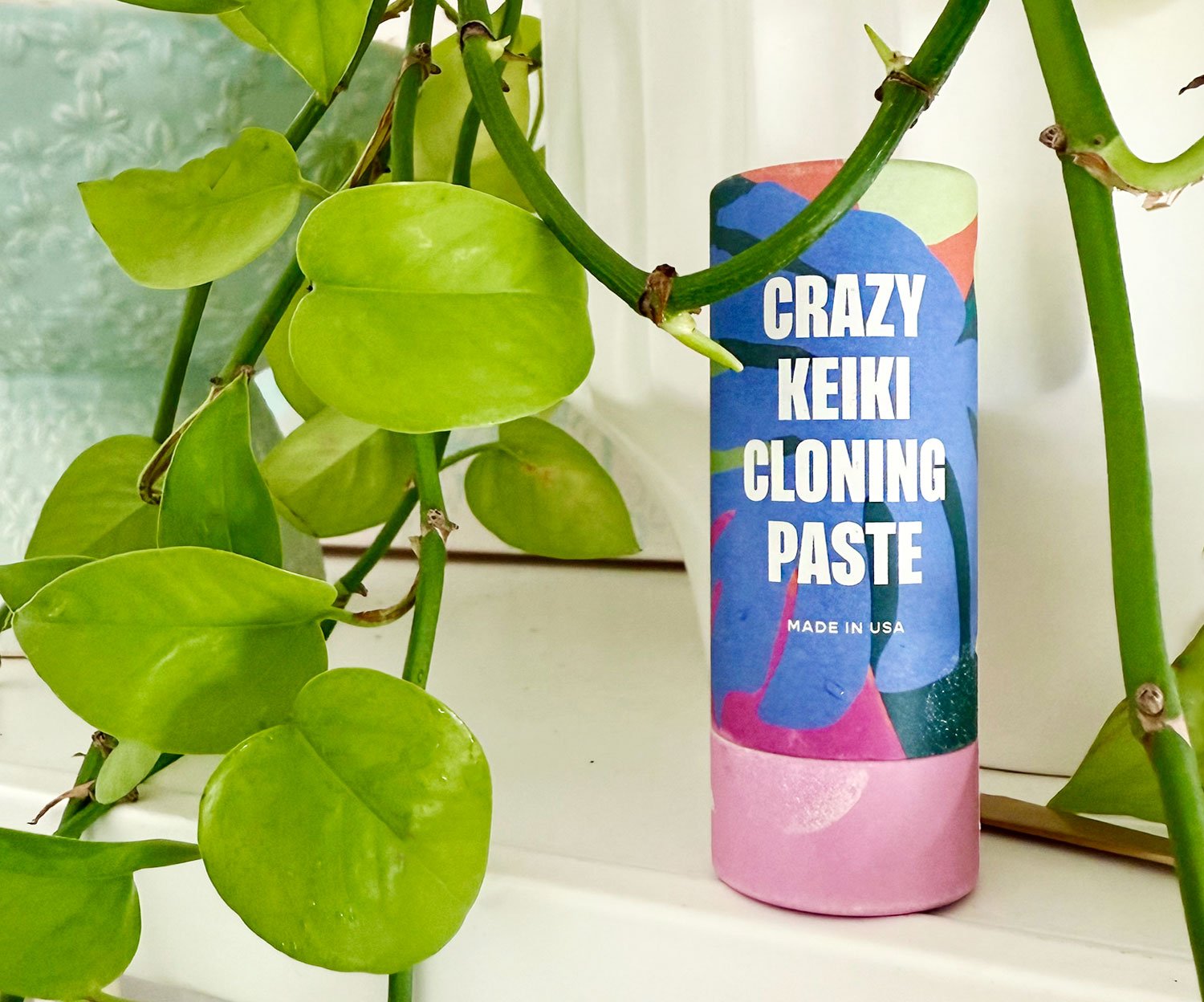
    We got lots of questions about the “miracle” cloning paste we showed on Instagram recently. What is it? What does it do? And why the heck is it called “keiki“? Short answer: keiki paste is an easy-to-apply growth hormone for your houseplants that can help fill out bare spots on pothos, orchids, and more. It’s a smart solution for any plant parent, but we’ll tell you what it can and can’t do, so your expectations match the result that you’re likely to get. This is not a sponsored post, by the way.

    We first learned of keiki paste from a plant-obsessed neighbor a few months ago. We were skeptical at first – can it really “wake up” a dormant node on our plants? – but now we’re quick to sing its praises. Here’s why…

    What Does Keiki Paste Do?

    Keiki Cloning Paste is a plant growth hormone that can stimulate new leaf growth on your houseplants. It’s great for filling bare areas on plants like pothos, orhcids, and even fiddle leaf figs. For example, we used it to help regrow parts of this leafless vine on our bathroom plant shelf.
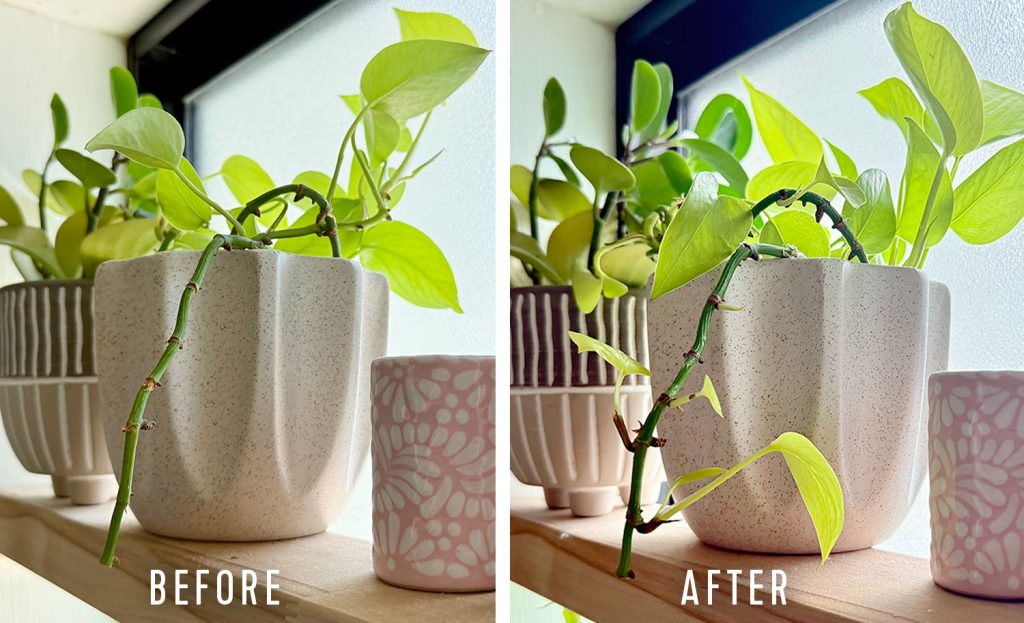
    Before And After Side by Side of Pothos Vine Treated With Keiki PasteBefore And After Side by Side of Pothos Vine Treated With Keiki Paste

    Keiki paste is different than rooting hormone, which is used to prompt root growth on plant cuttings during propagation. Instead, keiki paste is applied to above-ground nodes to help produce new leaves or branches.

    What’s In Keiki Paste?

    Keiki pastes typically consist of a sticky medium (like lanolin) that contains plant nutrients & hormones. The exact hormone formula for each paste is proprietary, but most include a synthetic cytokinin called 6-benzylaminopurine, or 6-BAP. Cytokinins promote cell division in plants, and 6-BAP is one of the most widely used synthetic versions. Again, this is distinct from rooting hormones that used auxins, not cytokinins.
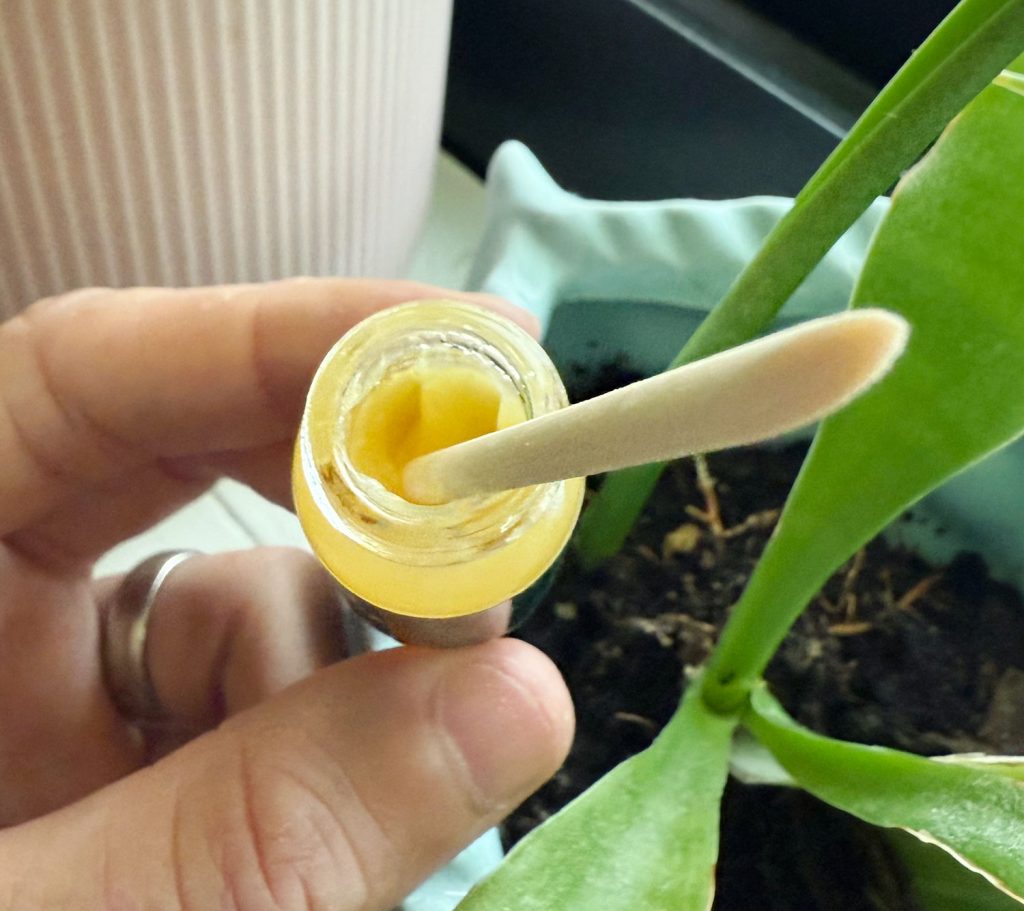
    View inside small glass container of Crazy Keiki Cloning PasteView inside small glass container of Crazy Keiki Cloning Paste

    Lanolin is a natural substance that comes from sheep’s wool. You may know it as a Vaseline-like substance used as a moisturizer for your skin. In keiki paste, it serves as a waterproof “glue” that keeps the hormones in place against the plant node. It’s quite sticky, so be sure to clean it off your skin so you don’t accidentally get it in your eyes or mouth.

    How To Apply Keiki Paste?

    Two things we love most about keiki cloning pastes is that (1) they are easy to use and (2) a little goes a long way. You can apply it following 3 simple steps:

    1. Score The Node
    2. Apply The Paste
    3. Water & Wait

    Video Tutorial

    Here is a brief video (60 seconds!) that shows how we applied keiki paste to another pothos plant in our house. There is also a written tutorial with photos below if you prefer.

    NOTE: You can also watch this video on YouTube.

    Step 1: Score The Node

    First, make a small cut at the node where you want to grow a new leaf. Nodes are the bumps along your vine or stem where a leaf or branch used to be. The cut doesn’t need to be deep, so a toothpick or table knife should do the trick.
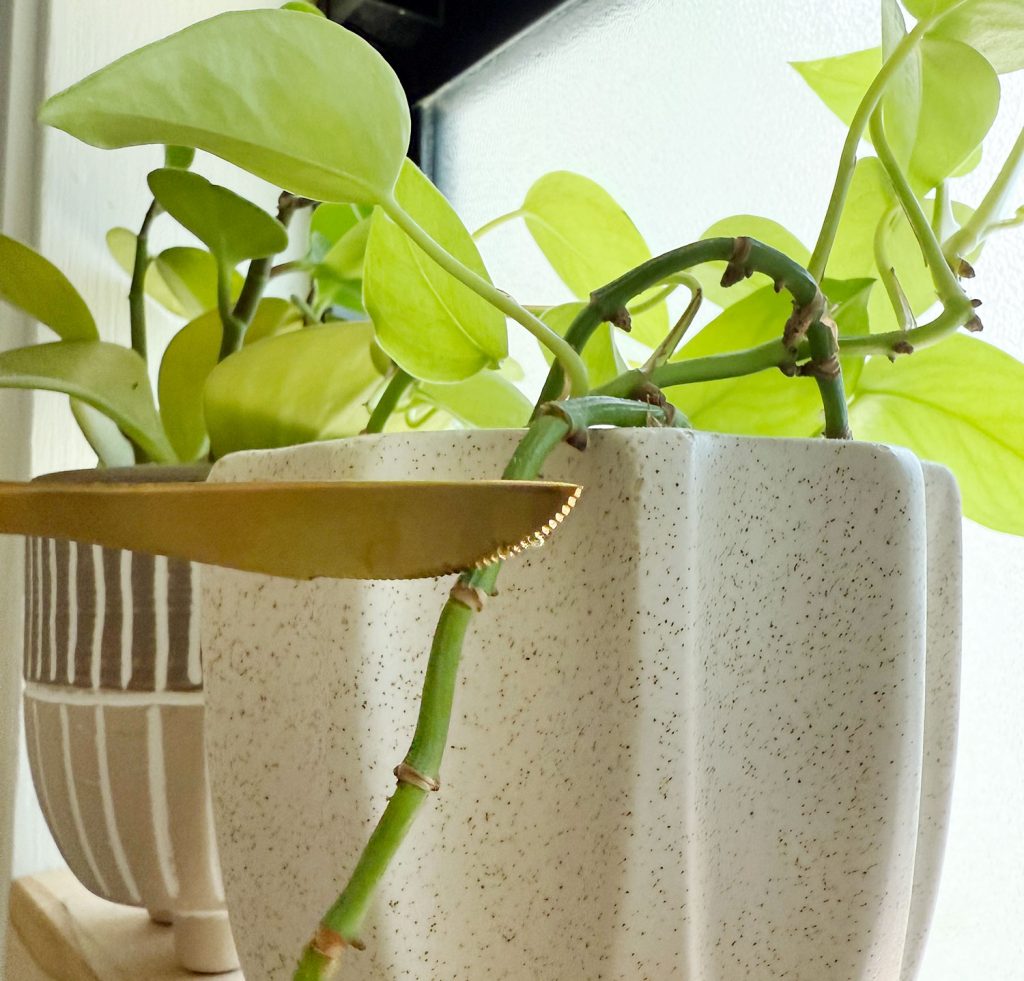
    Scoring Pothos Plant Node With Kitchen Knife Before Applying Keiki PasteScoring Pothos Plant Node With Kitchen Knife Before Applying Keiki Paste

    If your node is covered by a thin shealth (called a bract) you may need to peel this off first. This won’t hurt the plant. You’re just trying to help the hormone penetrate into the node more easily.

    Step 2: Apply the Paste

    Use a toothpick or cotton swab to dab a small dot of keiki paste onto the node. A little bit goes a long way – think half of the size of a pea. Too much keiki paste can stress the plant.
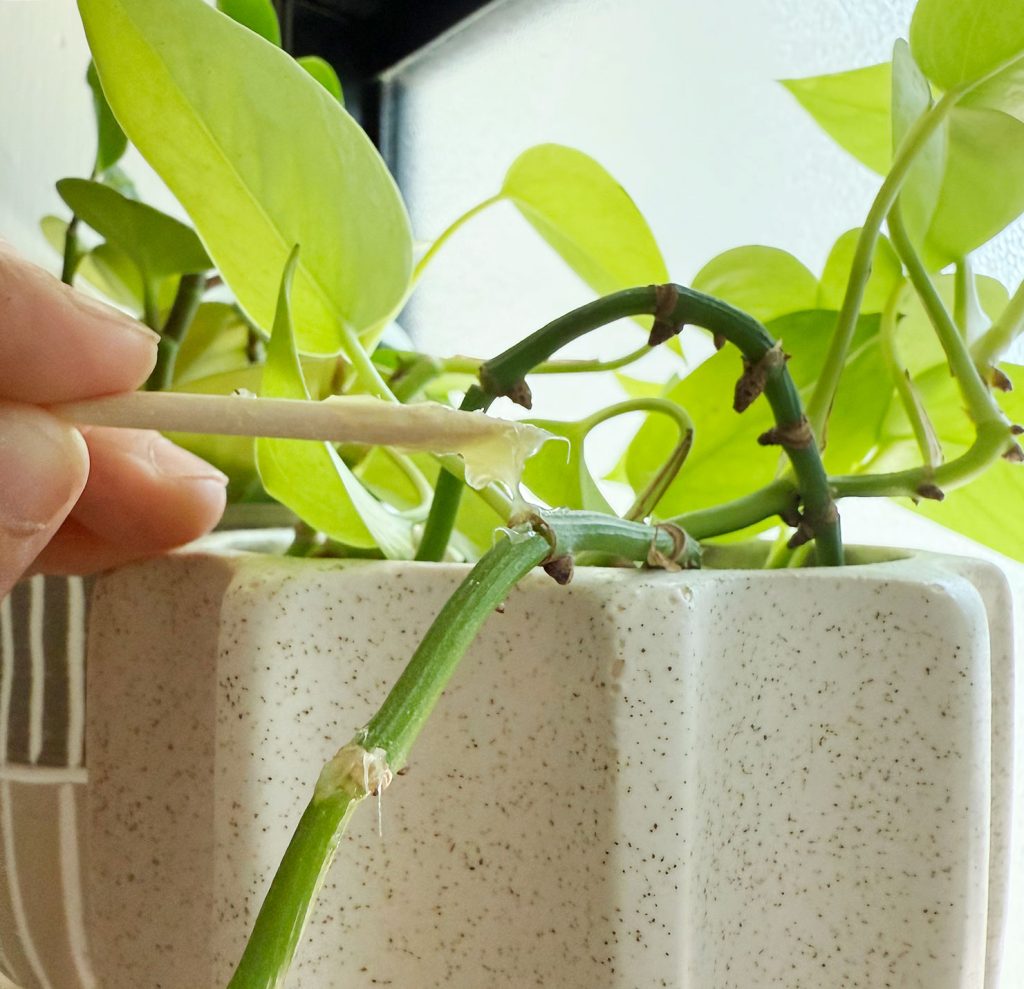
    Applying Small Dab of Keiki Paste With Toothpick to Pothos NodeApplying Small Dab of Keiki Paste With Toothpick to Pothos Node

    Step 3: Water & Wait

    That’s it! Now your job is just to be patient and care for your plant as usual. This means making sure it is receiving enough water and light to support growth. Results may begin showing in 1-3 weeks, but can take longer depending on growing conditions and health of the plant.

    What Does “Keiki” Mean?

    Keiki is pronounced “KAY-kee” (kinda like reiki, if you’re familiar) and is the Hawaiian word for “child” or “little one.” In the plant world, keiki refers to new sprouts on an orchid plant, specfically those produced asexually (aka, not from a seed). Since these types of pastes were originally developed for orchids, they earned the name keiki paste – even though they can be used on many other plant varities.

    What Plants Can I Use It On?

    Keiki paste was created for orchids, but it can be used on just about any plant with above-ground nodes. So far we have tried it on many of our pothos plants, but you can use it on a wide range of other plants such as:

    • Vining plants like philodendrons & hoyas
    • Flowering plants like orchids & begonias
    • Succulents like donkey tails & string of pearls
    • Small trees like fiddle leaf figs & rubber trees

    Look for plants with nodes where leaves, branches, or aerial roots grow (not zz plants or snake plants). It won’t hurt to experiment with different plants, as long as you don’t apply it to too many nodes at once and don’t over-apply the paste.

    Why Isn’t My Keiki Paste Working?

    We’ve been wowed by keiki paste again & again, but results are NOT guaranteed. So what gives? Here are some tips to keep in mind:

    • Keiki paste works best on healthy plants. It won’t solve underlying health issues like insufficient light, lacking nutriets, or over/underwatering. So if your plant is struggling, make sure you address those before turning to keiki paste.
    • Only treat a few nodes at a time. We’ve gotten the best results applying keiki paste to just 1 or 2 nodes at a time. On occasion we’ve gotten overzealous (like when taking pictures for this post!) and simultaneously treated 6 or 7 nodes on the same vine. This likely overstressed the plant and compromised our results. We only saw growth on 2 or 3 nodes anyway, so be patient and don’t overdo it.
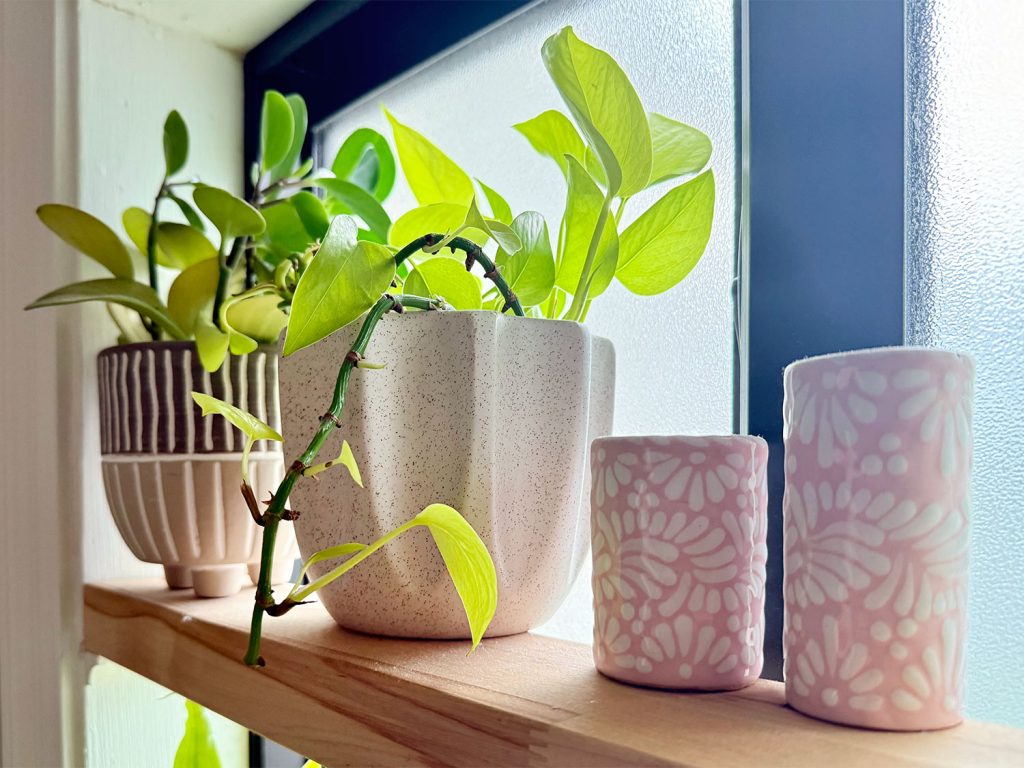
    After Photo of Pothos Plant With New Growth From Keiki PasteAfter Photo of Pothos Plant With New Growth From Keiki Paste
    • Consider other fixes too. If you’re unhappy with a bare spot or leggy vine, it may be better to prune it than try to rescue it. Remember, most cuttings can be propagated and replanted in the same pot to help give it a full look. With vining plants like pothos, you can also coil the vine into your pot, pin the nodes right below the soil (bobby pins work great for that), and it should root over time.

    These caveats aren’t meant to dissuede you from trying keiki paste. It’s just good to know its limits and the conditions you’ll need to get the best results.

    Where to Purchase Keiki Paste

    We got our Crazy Keiki Cloning Paste online from Southside Plants (a very cute sister-owned company), but several brands and website sell their own versions. It may feel shocking to pay upwards of $20 to $25 for such a small jar, but keep in mind that a little goes A LONG WAY. Remember, you’re only putting half of a pea sized dab on each node. So this should last us a long time!
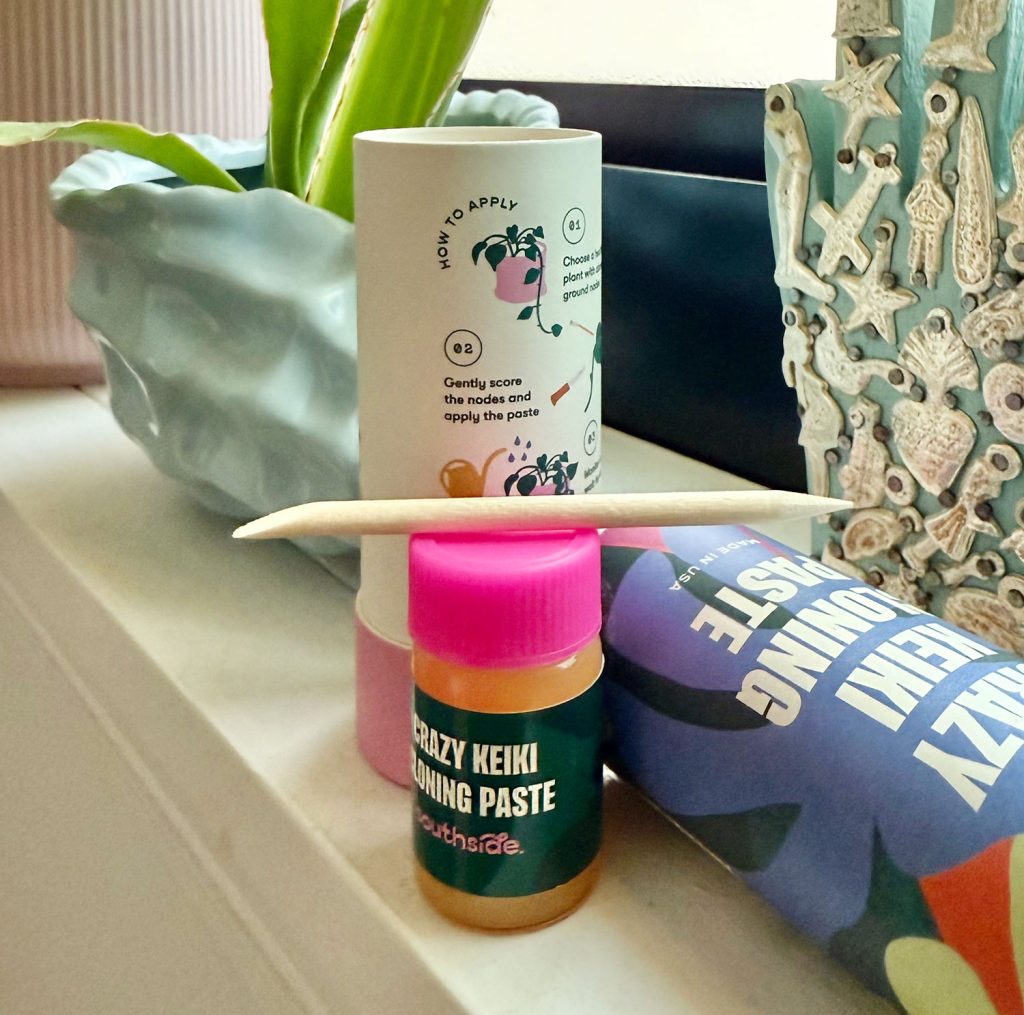
    Contents of Keiki Paste Container With Paste Toothpick and InsturctionsContents of Keiki Paste Container With Paste Toothpick and Insturctions

    Keiki paste should be stored in a cool, dark place away from sunlight – which is one reason we like that Southside’s version comes in an opaque storage tube, complete with application sticks.

    More Plant Guides
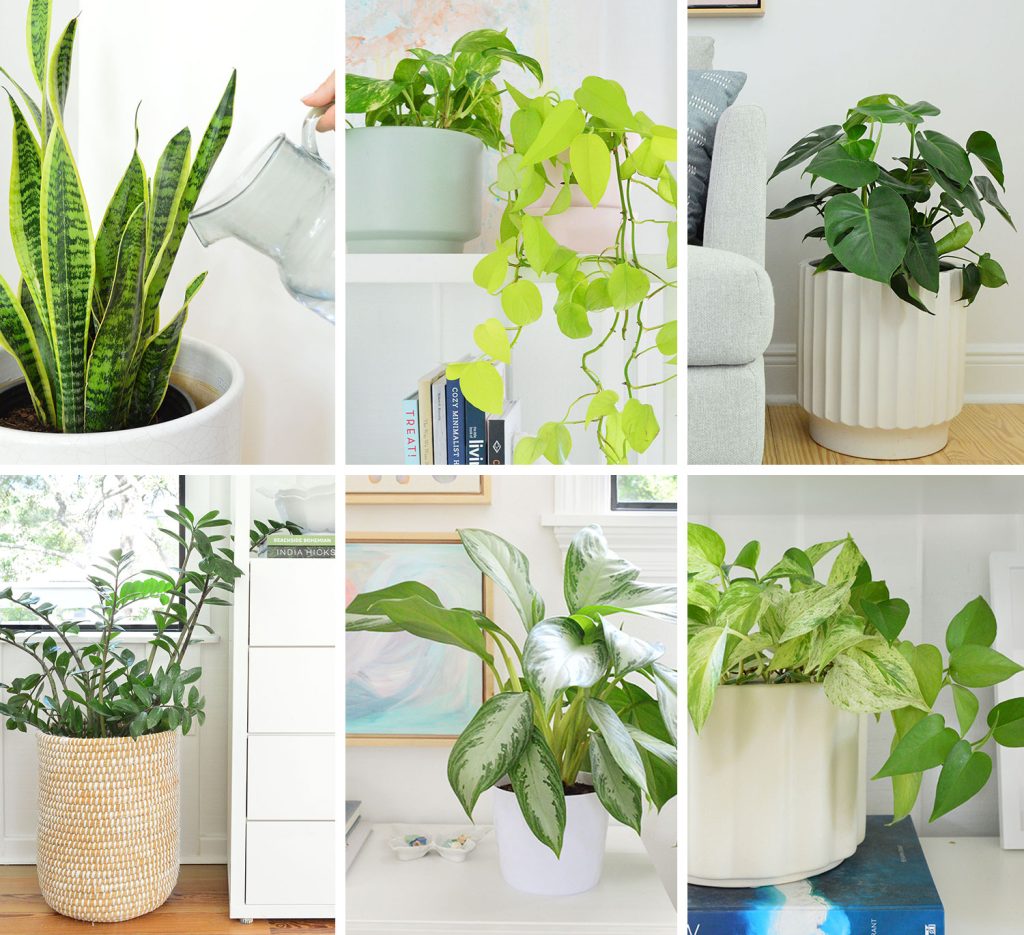
    Collage of House Plant Care GuidesCollage of House Plant Care Guides

    If you’re looking for more information on some of our favorite plants, check out some of these posts below:

    *This post contains affiliate links, so we may earn a small commission when you make a purchase through links on our site at no additional cost to you.

    Source link

    Share. Facebook Twitter Pinterest LinkedIn WhatsApp

    Related Posts

    Home Improvement

    When should you get your boilers checked

    Home Improvement

    As Seen on TV: Start Your Home Project

    Home Improvement

    How To Install a Drip Irrigation System

    Home Improvement

    What are the carpet trends in 2026?

    Home Improvement

    When should you get your boilers checked

    Home Improvement

    What are the carpet trends in 2026?

    Home Improvement

    How To Propagate A Pothos

    Home Improvement

    100+ Gender Neutral Baby Names

    Stay In Touch
    • Facebook
    • Twitter
    • Pinterest
    • Instagram
    Top Posts
    Home Improvement

    Neon Pothos – Plant Care Guide

    Step 1: Clip off a healthy vine Use your clean sharp shears to take vine…

    DIY: State Love Ornaments | Taite Floor

    DIY Botanical Wallpaper Picture Frames

    Star Jasmine – Plant Growing & Care Guide

    Look for Less: Cane Furniture

    Taite Floor is a Professional Flooring & Home Improvement Blog. Here we will provide you with only exciting content that you will enjoy and find useful. We’re working to turn our passion into a successful website. We hope you enjoy our Content as much as we enjoy offering them to you.

    Facebook X (Twitter) Instagram Pinterest
    Categories
    • Decorating (205)
    • Design (30)
    • Feature (22)
    • Flooring (137)
    • Hardwood Floors (18)
    • Help & Advice (86)
    • Home Improvement (156)
    • Home Security (7)
    • How-to (107)
    • Maintenance (15)
    Our Picks
    Decorating

    Our Collected & Cozy Study

    How-to

    The best times of the year for each type of home improvement project – Taite Floor

    Hardwood Floors

    Luxury Hardwood Taite Floor in Los Angeles: Timbertop Mauritius Taite Floor

    © 2026 Taite Floor.
    • Home
    • About Us
    • Contact us
    • Privacy Policy
    • Terms & Conditions

    Type above and press Enter to search. Press Esc to cancel.