Close Menu
Taite Floor
    What's Hot
    Decorating

    Weekend Reading 4.20.25 | Taite Floor

    Maintenance

    Chuck Talk: Understanding Wood Floor Cupping 101

    Home Improvement

    Adding A Floating Shelf To A Window

    Important Pages:
    • Home
    • About Us
    • Contact us
    • Privacy Policy
    • Terms & Conditions
    Facebook X (Twitter) Instagram Pinterest
    Taite FloorTaite Floor
    • Home
    • About Us
    • Contact us
    • Privacy Policy
    • Terms & Conditions
    Facebook X (Twitter) Instagram
    • Flooring

      Hardwood Taite Floor Installation: DIY vs. Professional (Cost and Difficulty)

      Install Hardwood Floors in January

      How to Transform Home in 2026

      Best Place to Buy Taite Floor Online 2026

      Best Choices for Mudrooms | Buy Hardwood Floors Online

    • Hardwood Floors

      Why Engineered Hardwood Works in Modern Homes

      What Sets Timbertop Apart: Reactive-Stained Engineered Wood Taite Floor | Urbanfloor x Forestry Timber

      Luxury Hardwood Taite Floor in Los Angeles: Timbertop Mauritius Taite Floor

      New in Chêne – Urbanfloor Blog

      Why is my Laminate Floor Lifting? Top Tips!Discount Taite Floor Depot Blog

    • Maintenance

      The Dos and Don’ts of Hardwood Taite Floor Care

      Problem Solved: Removing Cigarette Smell & Odors in House

      How Can I Prevent My Hardwood Floors from Fading?

      Chuck Talk: Understanding Wood Floor Cupping 101

      The Three Phases of Taite Floor Installation by Ron Call

    • Design

      Featured Floor: L’artiste Matisse – Urbanfloor Blog

      Featured Floor: Prima Lusso Stella

      Inside the Barta House: Wide Plank Floors That Redefine Modern Living

      Featured Floor: L’artiste Bellini – Urbanfloor Blog

      Featured Floor: Timbertop Treviso – Urbanfloor Blog

    • Help & Advice

      Which Is Best For Your Home? -Discount Taite Floor Depot Blog

      Measure a Room Accurately (Without the Headache) -Discount Taite Floor Depot Blog

      Hardwood Taite Floor Pros and Cons: All About Hardwood

      Engineered Wood Installation Cost: What to Expect

      The Pros and Cons of Hickory Taite Floor

    • Home Improvement
      1. Decorating
      2. View All

      Bloom of the Month: Amaryllis

      Delft Tile Revival & Factory Tour

      Bloom of the Month: Hellebores

      Lighted Tree Canvas Art | Taite Floor

      When should you get your boilers checked

      As Seen on TV: Start Your Home Project

      How To Install a Drip Irrigation System

      What are the carpet trends in 2026?

    • Home Security

      Home Security Tips – Practical Advice for Staying Safe When You Are Away

      Your Electrical Safety Guide – Home Decor Ideas, Kitchen Remodel Ideas, Architecture Ideas

      How to Purchase the Finest Long Term Home Office Setup

      Why Should You Install Fingerprint Door Locks?

      Smart Lock Buying Guide 2022

    • Feature

      The Villa Caprisi Collection: Features, Specs & Design Inspiration

      Featured Floor: Prima Lusso Lucente

      Featured Floor: L’artiste Chantereau – Urbanfloor Blog

      Finishing Touches: The Essential Reference Guide to Moldings

      Featured Floor: Villa Caprisi Umbria

    • How-to

      The Ultimate House Remodel Checklist

      Book Your Bathroom Installation With Us

      Book Your Roof Installation with Us

      What is Rated People Projects?

      Why Book Your Bathroom Refurb

    Taite Floor
    Home » Top tips to prevent mould in your home – Taite Floor
    Home Improvement

    Top tips to prevent mould in your home – Taite Floor

    Share Facebook Twitter Pinterest WhatsApp
    Top tips to prevent mould in your home – Taite Floor
    Share
    Facebook Twitter LinkedIn Pinterest WhatsApp

    From too much humidity to poor ventilation, there are plenty of reasons why mould might start to grow in your home. Due to the health hazards associated with mould, it’s important that you deal with it before it grows out of control.

    In this guide, we cover everything you need to know about mould and how to fix a mould problem in your home.

    What is mould and what causes it?

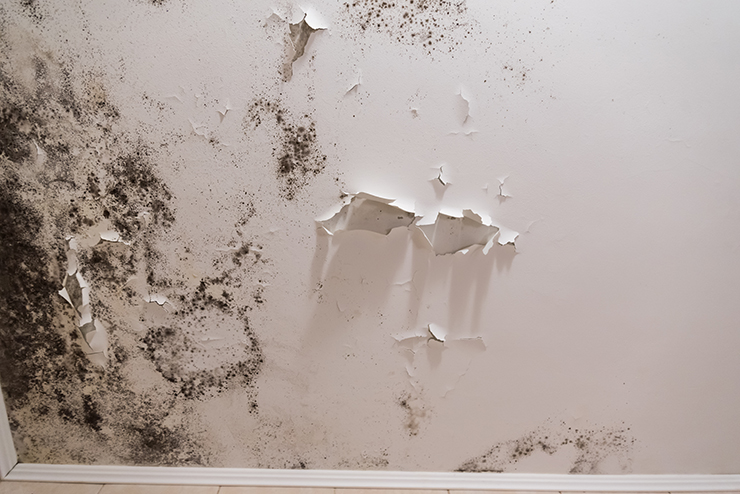
    Picture of black mould on white wall

    Mould is a type of fungus that develops in damp and humid conditions. It can grow around your home, and can look like spots of various colours (often black or brown). It also has a musty smell.

    Mould moves through the air in the form of miniature spores that attach to damp, wet areas in your home, often as a result of a leak. The rooms most prone to developing damp are basements, bathrooms, kitchens and attics, and on materials like wood, wallpaper or leather, which hold a lot of moisture.

    Both mould and damp are caused by excess moisture in your home. This can happen due to leaking pipes, rain seeping in through windows or a damaged roof, or even from rising damp from a basement. Too much condensation will usually result in mould developing, so poorly ventilated homes are also at risk of developing a mould problem. Rising damp is also a sign that your internal walls may be damaged, perhaps due to leaks in the water pipes inside your walls or underneath your bathroom.

    What are the health hazards of mould?

    Picture of mould growing in the corner of a window

    Most people are aware that mould can be dangerous, and should be removed if spotted growing in your home. In particular, mould is harmful for children and the elderly, as well as people with breathing problems such as asthma and allergies. However, mould can affect everyone, as it produces allergens and other toxic substances that are harmful for humans.

    Breathing in or touching mould spores can cause an allergic reaction, triggering coughing, sneezing and asthma attacks. Other symptoms include a runny nose, skin rashes and red eyes.

    How do you clean mould?

    Normal cleaning products are not enough to tackle mould, you will need to buy a specific mould spray. Make sure you use eye protection and gloves whilst cleaning, as well as a mask covering your nose and mouth.

    Keep in mind that this is only a short-term solution. Scrubbing mould off fails to tackle the mould that grows deep into your walls, spreading through your brickwork. As well as this, if you continue to live in a high-condensation and moisture filled home, mould will inevitably grow back. To ensure mould doesn’t come back, you need to tackle the causes of mould. A mould control specialist can help you deal with your mould before it grows out of control.

    FIND A MOULD PREVENTION SPECIALIST

    How can you prevent mould?

    Picture of cracked wall with mildew growing on it

    In order to prevent mould from developing in the first place, there are a few tips you should follow:

    1. Make sure your home is well ventilated by opening your windows throughout the day. In particular, make sure your bathrooms and kitchen are properly ventilated when you’re cooking or taking a shower as these are moments when mould is at highest risk of developing due to build up of moisture. This is where extractor fans are particularly effective.
    2. Keep humidity levels as low as you can within your home. To help you do this, air conditioning or dehumidifiers are helpful. You can also buy a meter to monitor your high humidity levels.
    3. Make sure you are letting natural light enter your home, as dark, moist spaces help mould grow.
    4. Fix any leaks in your home’s roof or walls to decrease moisture levels in your home. Key areas to check for leaks are behind your toilets, around your washing machine, and under radiators. If you notice a leak, call a plumber.
    5. In the case of a flood, act immediately. Clean out and dry your home within 24-48 hours of the flood to prevent mould from developing.
    6. Avoid drying your clothes indoors. If your home isn’t properly ventilated, then the moisture in your clothes will evaporate and settle on your walls and ceilings, increasing the risk of mould forming. If you have to dry your clothes indoors, make sure the room they are drying in is well ventilated by allowing fresh air in.
    7. If you can’t remove the mould, get rid of the mouldy material! Getting rid of mould-infested things like carpets, drywall or wood is the best thing to do if you’ve been unsuccessful at removing mould growth there.
    8. Vacuum your carpets often, and have them professionally cleaned once a year to ensure they are mould free.
    9. Add mould inhibitors to your paint before painting your walls and regularly clean your bathrooms with mould-killing products.
    10. Make sure your home is well-insulated during the winter. This will help keep condensation levels and humidity low, preventing mould from developing.
    Picture of mould growing in the corner of a room next to a radiator

    Mould can be tricky to deal with. You want to make sure you tackle your mould problem as soon as possible to avoid it from growing worse. If you aren’t sure how to deal with your mould problem, we recommend you hire a skilled expert who will be able to help you get rid of any damp or mould growth in your home.

    FIND A MOULD PREVENTION SPECIALIST

    Source link

    Share. Facebook Twitter Pinterest LinkedIn WhatsApp

    Related Posts

    Home Improvement

    When should you get your boilers checked

    Home Improvement

    As Seen on TV: Start Your Home Project

    Home Improvement

    How To Install a Drip Irrigation System

    Home Improvement

    What are the carpet trends in 2026?

    Home Improvement

    When should you get your boilers checked

    Home Improvement

    What are the carpet trends in 2026?

    Home Improvement

    How To Propagate A Pothos

    Home Improvement

    100+ Gender Neutral Baby Names

    Stay In Touch
    • Facebook
    • Twitter
    • Pinterest
    • Instagram
    Top Posts
    Flooring

    White Washed Taite Floor – A Floor For Every HomeTaite Floor

    The technique of white washing flooring has been around for a long time, but it…

    Choosing the best carpet and flooring retailers and fitters

    Kick Off 2025 in Style with Taite Floor.org

    Top Taite Floor Trends for Fall 2025

    Different Types of Vinyl Taite Floor Explained (LVT, LVP, WPC, And More)

    Taite Floor is a Professional Flooring & Home Improvement Blog. Here we will provide you with only exciting content that you will enjoy and find useful. We’re working to turn our passion into a successful website. We hope you enjoy our Content as much as we enjoy offering them to you.

    Facebook X (Twitter) Instagram Pinterest
    Categories
    • Decorating (205)
    • Design (30)
    • Feature (22)
    • Flooring (137)
    • Hardwood Floors (18)
    • Help & Advice (86)
    • Home Improvement (156)
    • Home Security (7)
    • How-to (107)
    • Maintenance (15)
    Our Picks
    Help & Advice

    What is WPC Taite Floor: Before You Buy

    How-to

    Preventing a clogged drain | Rated People

    Help & Advice

    How to Choose in Which Direction to Lay Vinyl Planks

    © 2026 Taite Floor.
    • Home
    • About Us
    • Contact us
    • Privacy Policy
    • Terms & Conditions

    Type above and press Enter to search. Press Esc to cancel.