

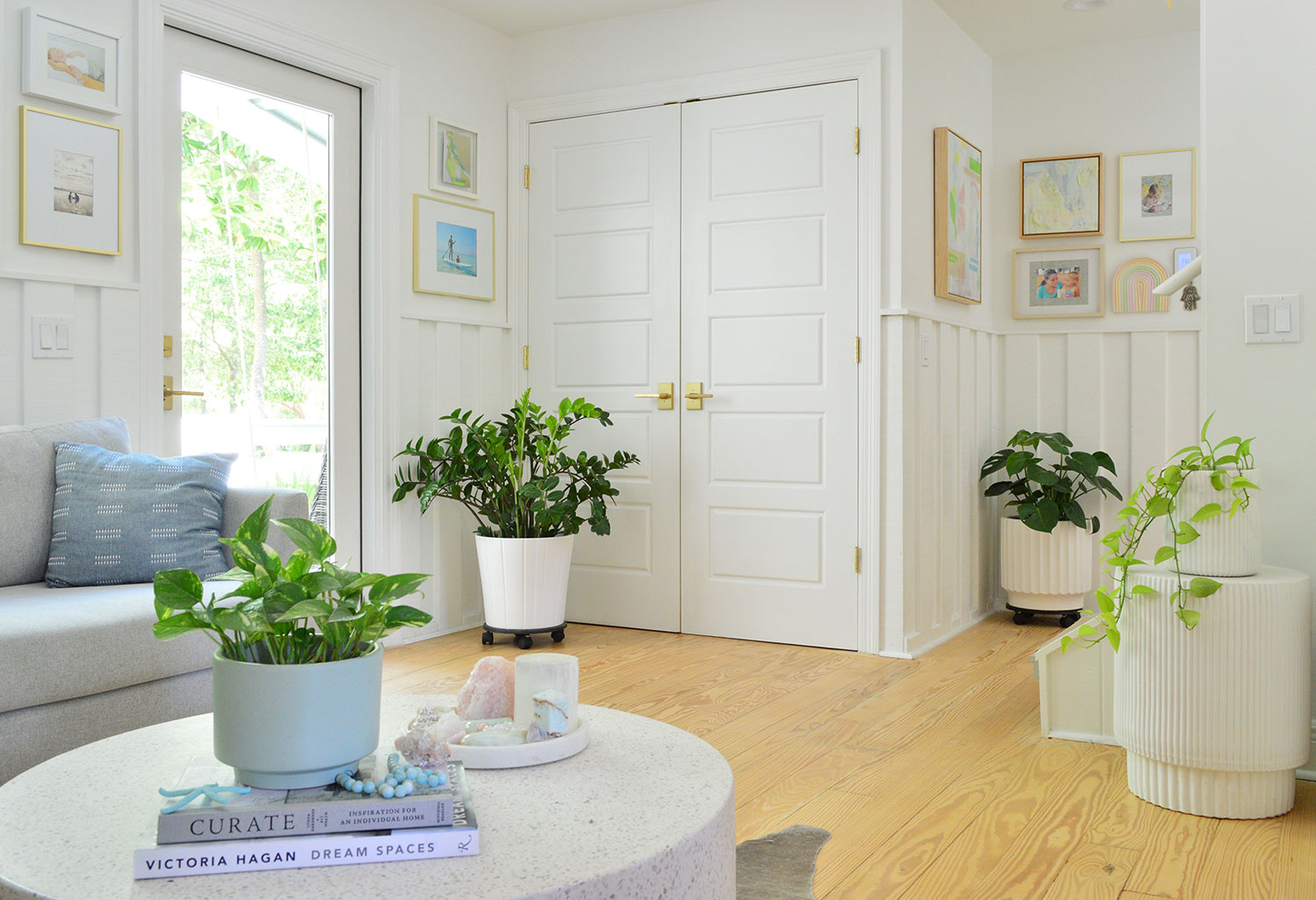
I used to think every houseplant needed a sunny corner or bright windowsill to thrive. But it turns out many of our favorite go-to houseplants do just fine in shady corners and low-light locations. So before you write off your house as too dark to sustain plant life, check out this list of the best indoor plants for low light. You might be surprised at how many good options there are!
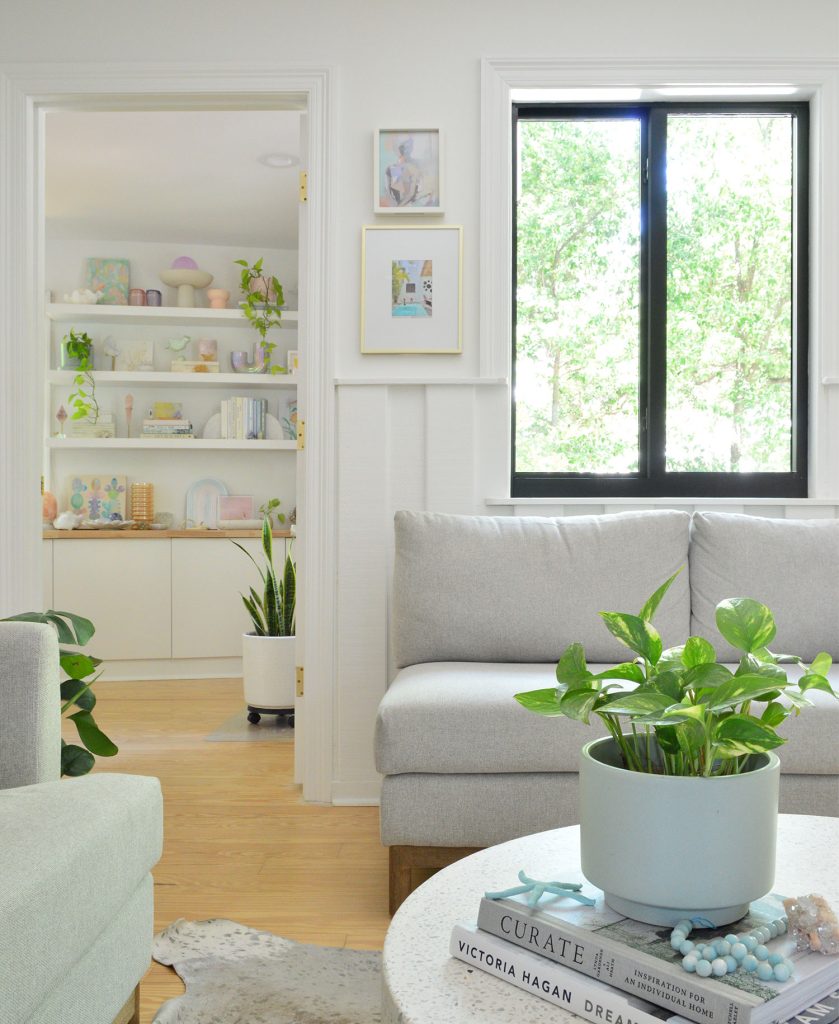
Our upstairs family room is the brightest room we’ve ever owned thanks to big unobstructed windows on all 4 sides. But most of our indoor plants live downstairs, where we get far less natural light. Luckily, that hasn’t stopped us from growing our collection of happy healthy houseplants.
9 Houseplants That Don’t Need A Lot Of Light
Here are our favorite low-light indoor plants. We list a lot more info on them below, but here’s a quick list to bring on your next trip to the plant store:
- Snake Plant
- ZZ Plant
- Pothos
- Heartleaf Philodendron
- English Ivy
- Aglaonema
- Cast Iron Plant
- Monstera
- Parlor Palm
Perhaps our favorite part of this list is that these aren’t ugly “consolation plants” that people begrudgingly buy for dark homes. Most of these are plants we’d buy anyway because they’re beautiful, lush, and colorful additions to any room. The fact that they’re easy low-light options too is icing on the plant cake.
What Does “Low Light” Mean For Plants?
Let’s be clear: low light doesn’t mean no light. All plants need light to survive. This means windowless spaces like basements, bathrooms, or closets will need artificial lights to keep plants alive (full spectrum grow lights are best). But if you don’t want to mess with any of that, think of “low light” spaces as spots where your plant can see a window, but not the sky. This is a general way of thinking of spaces that receive indirect light, which is the type of light many houseplants love most!
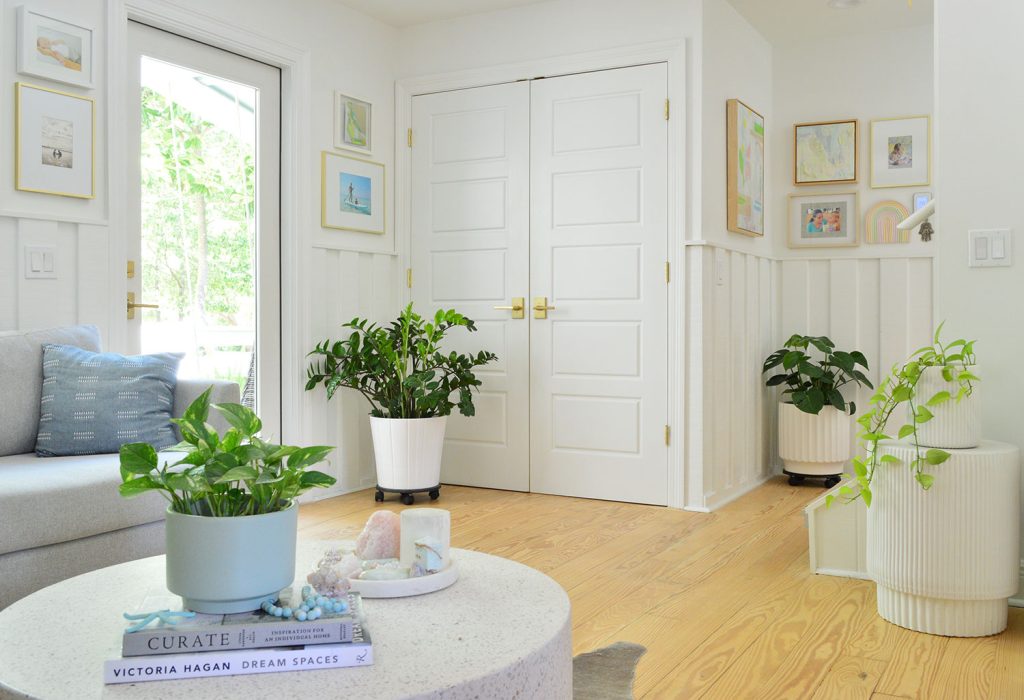
Low light can also mean rooms that only receive limited or shaded sunlight. These tend to be North-facing rooms, areas with few or small windows, and spaces where trees, porches, or window coverings block most of the sunlight. The room shown above checks almost all of those boxes.
And before you get down on your house for not being “sunny enough,” remember that most indoor plants don’t like direct sunlight anyway. Houseplants that sit in the sun tend to get burnt, brown, or crispy leaves. So your shadier spots away from windows may actually be more perfect for plant life than you realize!
In fact, low light conditions often emulate these plants’ natural environment. You may notice that many popular houseplants are tropical varieties. That’s because tropicals do well in the consistent, warm temperatures inside our homes. But in nature, these plants grow on the forest floor, where they’ve adapted to living in the shade of a dense tree canopy.
Thriving or Surviving?
Lots of round-ups like this will proclaim these plants “thrive” in low light. That might be a bit of an oversell. Most plants truly thrive – meaning grow faster, fuller, and brighter (maybe even bloom!) – the more light they receive. So if your goal is to cultivate some big, award-winning plant: by all means, get that baby more sunlight. Just keep it indirect or diffused.
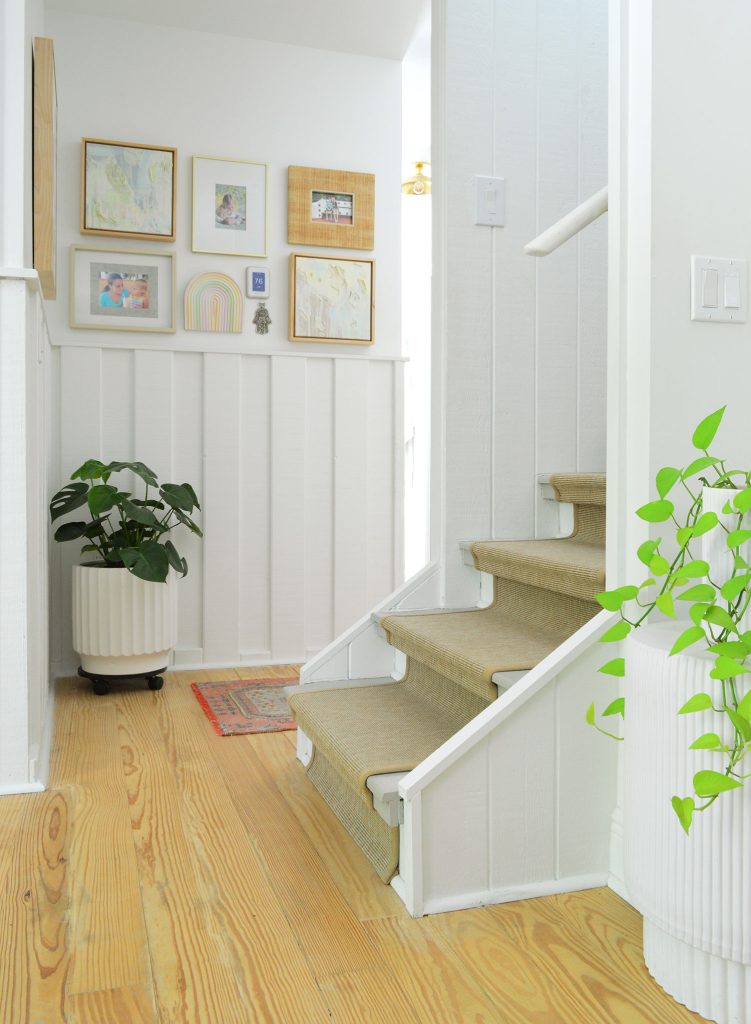
But for most of us, simply keeping a plant alive and generally happy-looking is the goal. We don’t want it to die. We don’t want our money to be wasted. We don’t want some scraggly, brown plant on the verge of death shaming us from across the room. But we also don’t need it to double in size and look brighter in color than every other plant in the world. That’s where these plants come in. They may not grow super speedily in low light, but they live, are low maintenance, and appear to be generally happy with that low-light life. I mean, that feels good enough to me.
Our Favorite Low-Light Indoor Plants
This list is built from personal experience, expert input, and crowd-sourced advice (we love a good Reddit thread on plants). We also narrowed it down to plants that we think look nice indoors. Because – no offense – but some popular low-light plants aren’t our favorites. I’m looking at you Peace-Lily (who dramatically deflates and looks downright dead every time it’s thirsty). So here are the ones we love and would put (and have put!) in our own home:
Snake Plant
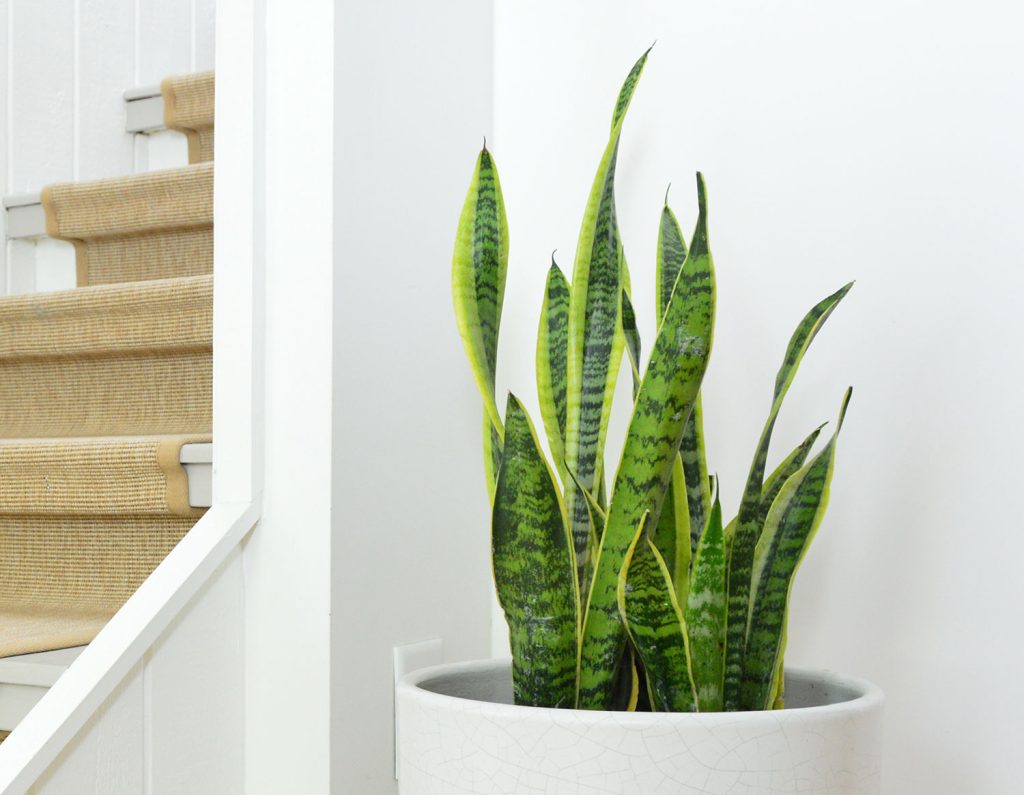
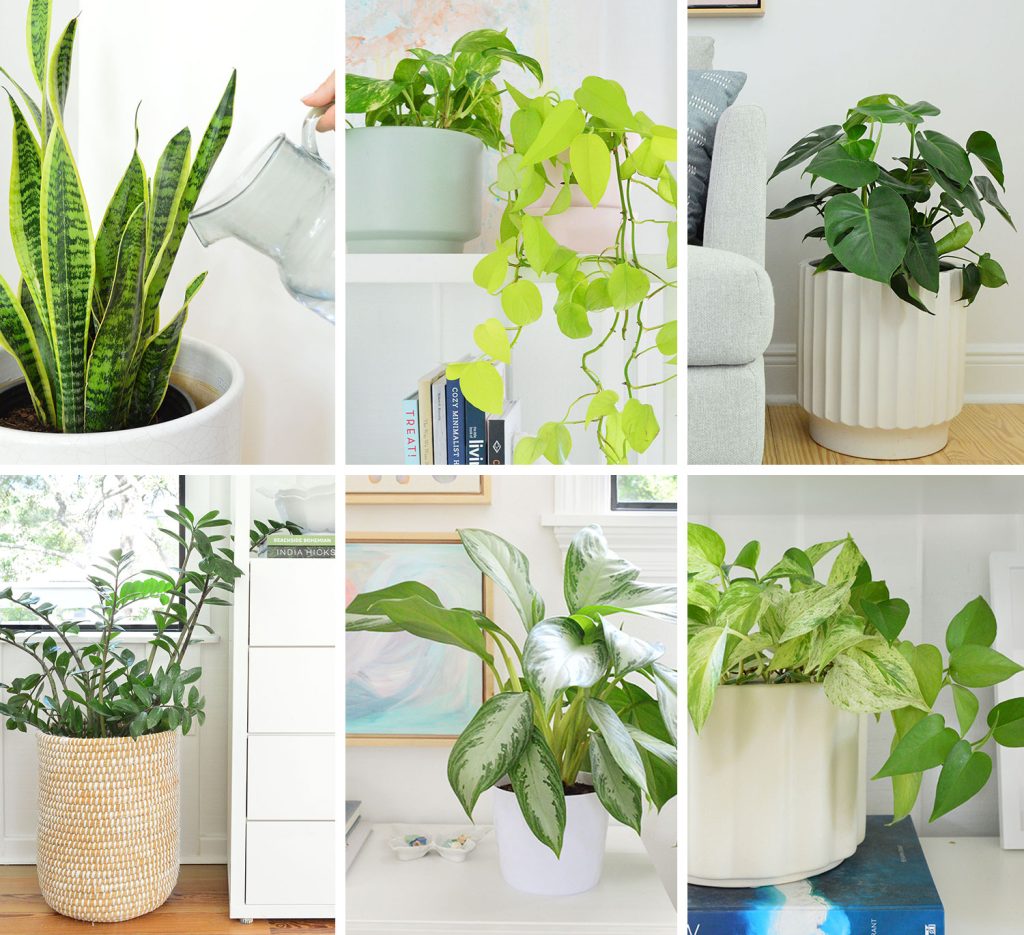
Snake plants (Dracaena trifasciata) are one of the most popular low-light plants. They will grow faster in medium light but still look tall, striking, and colorful in dimmer spaces. Snake plants are especially great for bedrooms because they convert large amounts of CO2 – even overnight. Other members of the Dracaena plant group- like the corn plant (Dracaena fragrans), dragon tree (Dracaena marginata) and lucky bamboo (Dracaena braunii) – are also good options for low-light spaces.
ZZ Plant
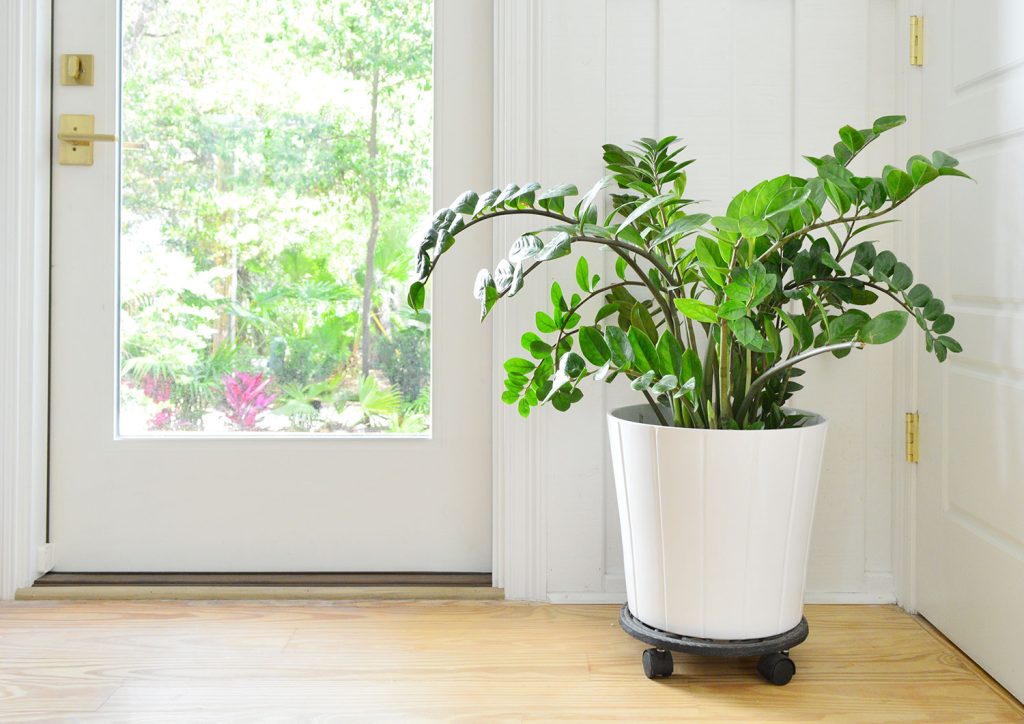
Ourl ZZ Plants (Zamioculcas zamiifolia) have been some of our fastest growers, no matter where we put them. Also sometimes called Zanzibar Gem, the ZZ Plant is very drought tolerant because they store water in rhizomes in the soil. Pictured above is one that sits near our north-facing front door, so it gets no direct sunlight. It previously lived happily in a dark corner of our hallway too. These are SO EASY.
Pothos
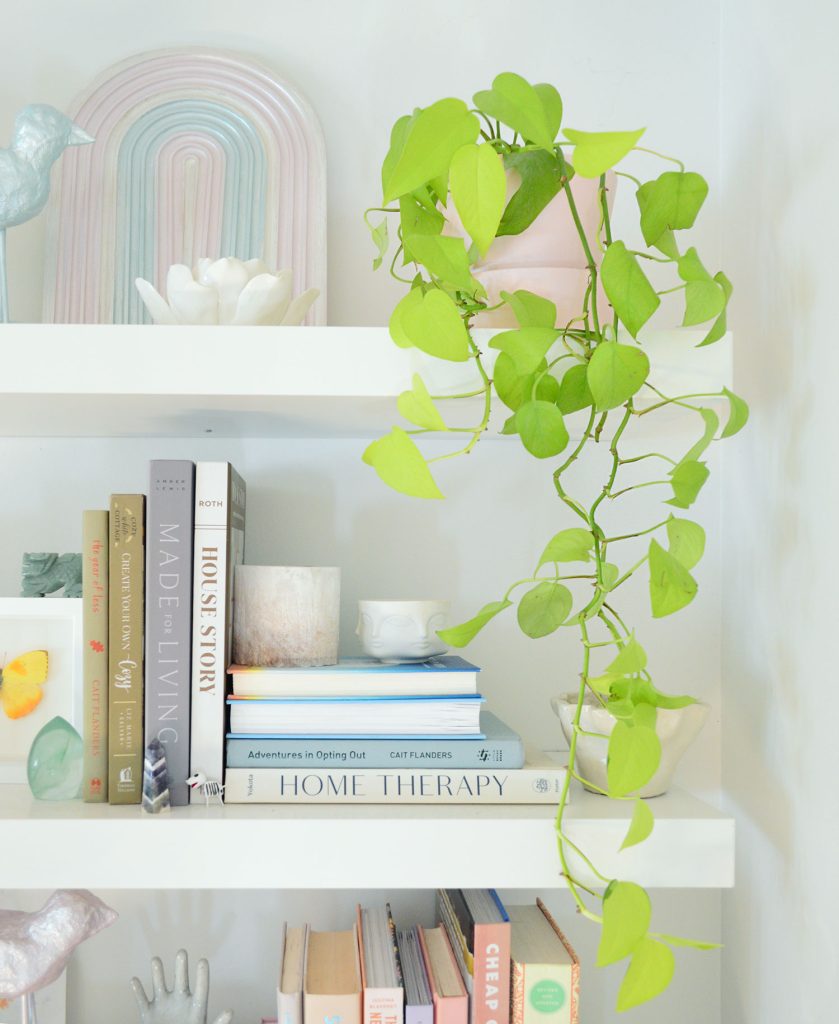
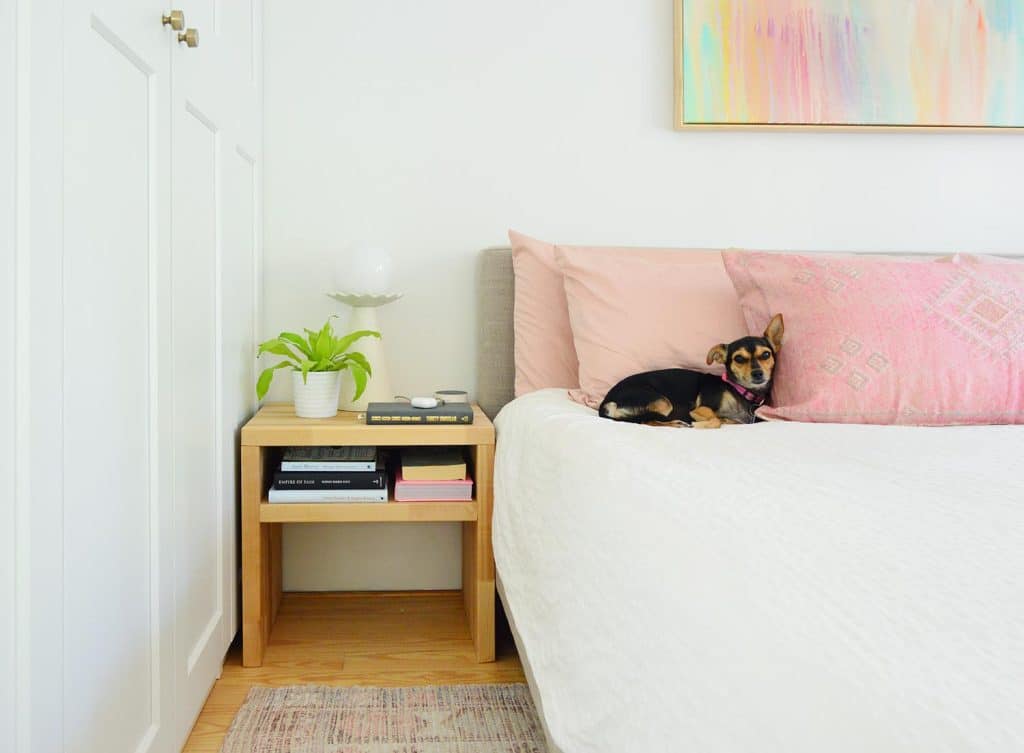
Pothos are our very favorite, low-maintenance houseplants and they do well in a variety of conditions. The neon pothos pictured above lives in a high, shady corner of our bedroom and has grown a lovely trailing vine, even with minimal light. Pothos are hard to kill (they’ve earned the nickname “devil’s ivy”) and add a great tropical vibe to any spot, no matter the lighting condition.
Heartleaf Philodendron
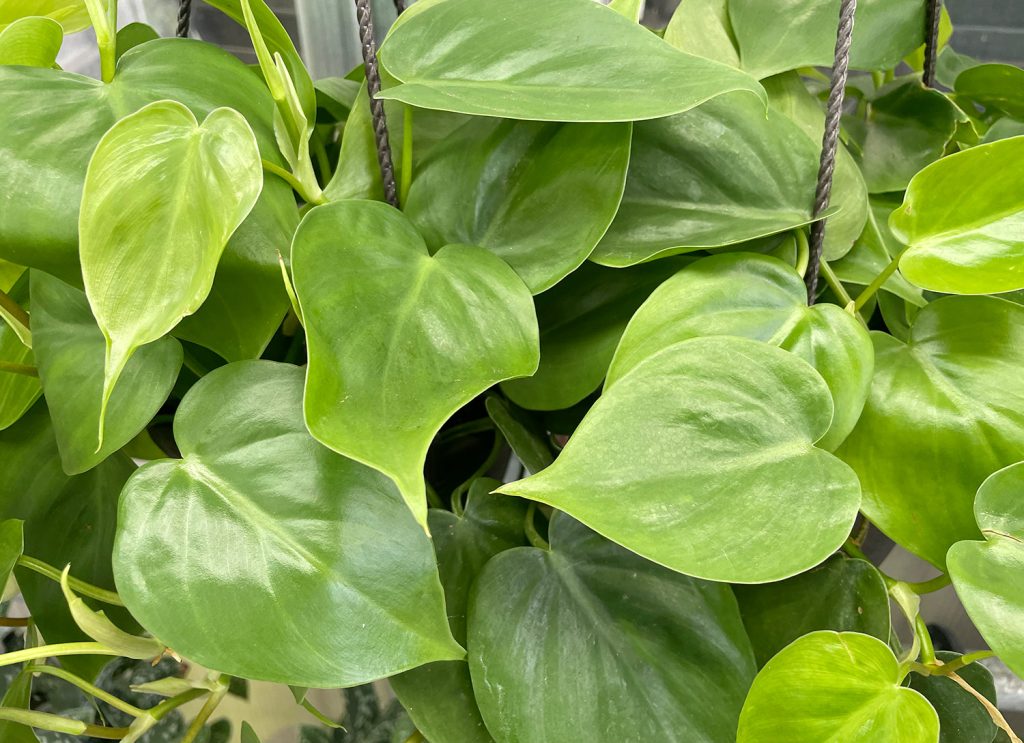
Heartleaf Philodendrons (Philodendron hederaceum) are extremely similar to pothos, and are often confused with one another. They are both vining tropical plants with spade-like leaves (although the philodendron’s leaves tend to be – you guessed it – even more heart-shaped). We don’t currently own any of these, but they’re a great alternative to a pothos plant, and they also do great in low light.
English Ivy
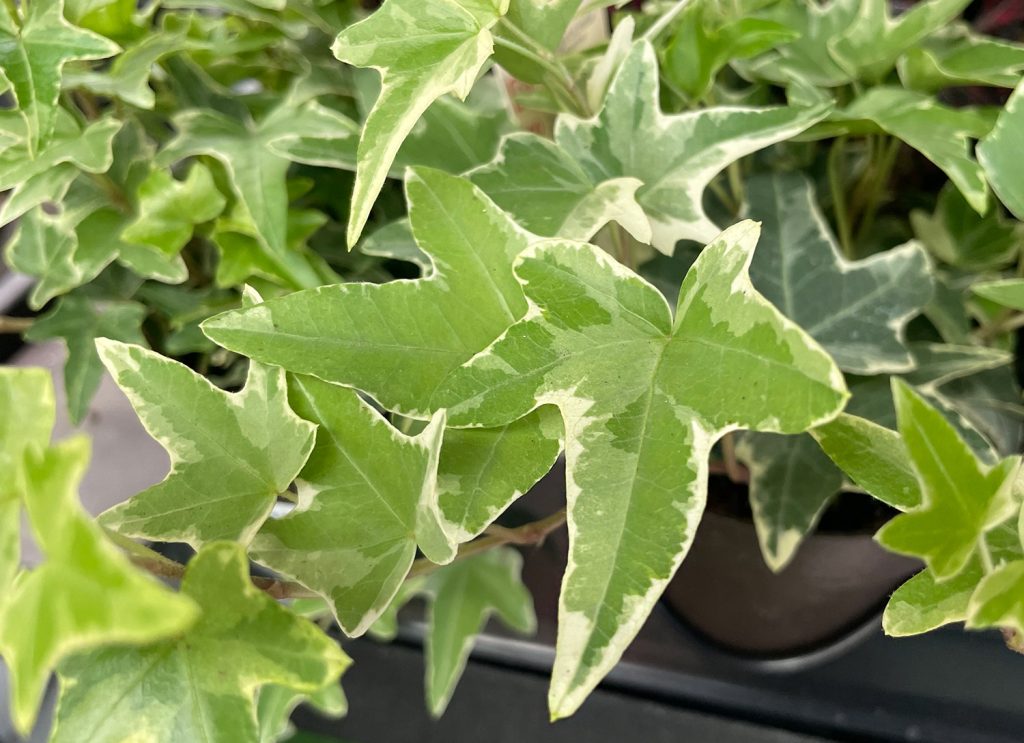
English Ivy (Hedera helix) is another vining indoor plant that isn’t picky about its lighting. Like the pothos or heartleaf philodendron, you can train it to climb or let it drape off the side of a cabinet or shelf. We prefer the tropical look of a pothos, but if you want a more traditional vibe, English Ivy is a great option.
Aglaonema
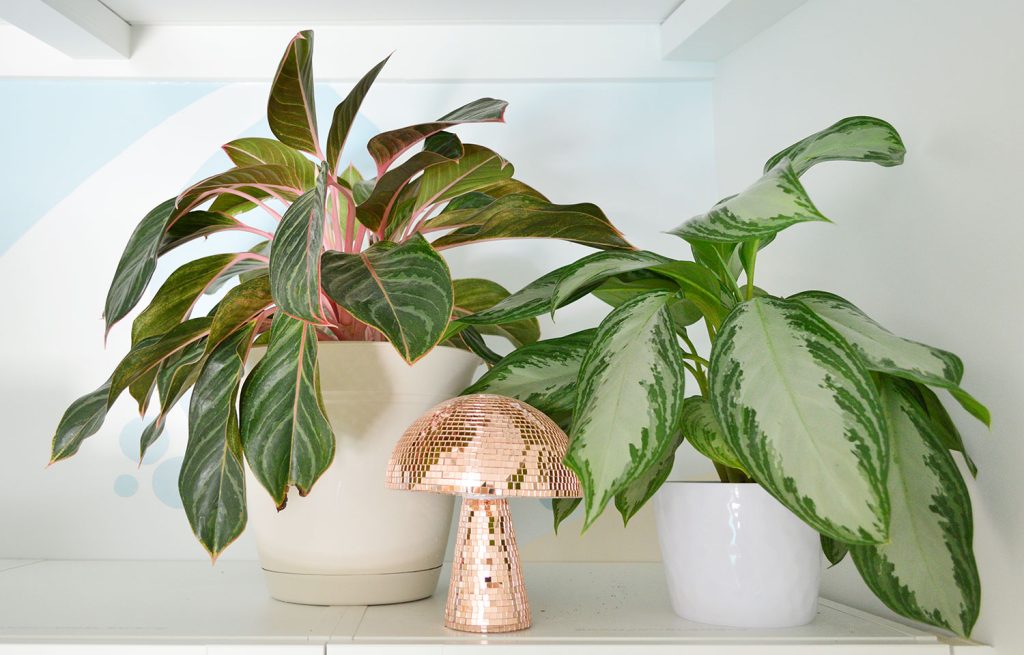
Sometimes called a Chinese Evergreen, plants in the genus Aglaonema are shockingly low-light tolerant considering how lush and tropical they look. We have two varieties on top of our daughter’s closet – one of the darkest spots in our house – and they love it up there. Aglaonema are also great because they only need watering every other week or so, making them good options for out-of-reach spots.
Cast Iron Plant
Cast Iron Plants (Aspidistra elatior) are another tropical species that has grown a reputation for being nearly indestructible, hence its nickname. They grow large tropical leaves (similar to Aglaonema) and also use rhizomes to store water for periods of drought (similar to ZZ Plants). They like lots of indirect sunlight, but do just fine in low-light spots too.
Monstera
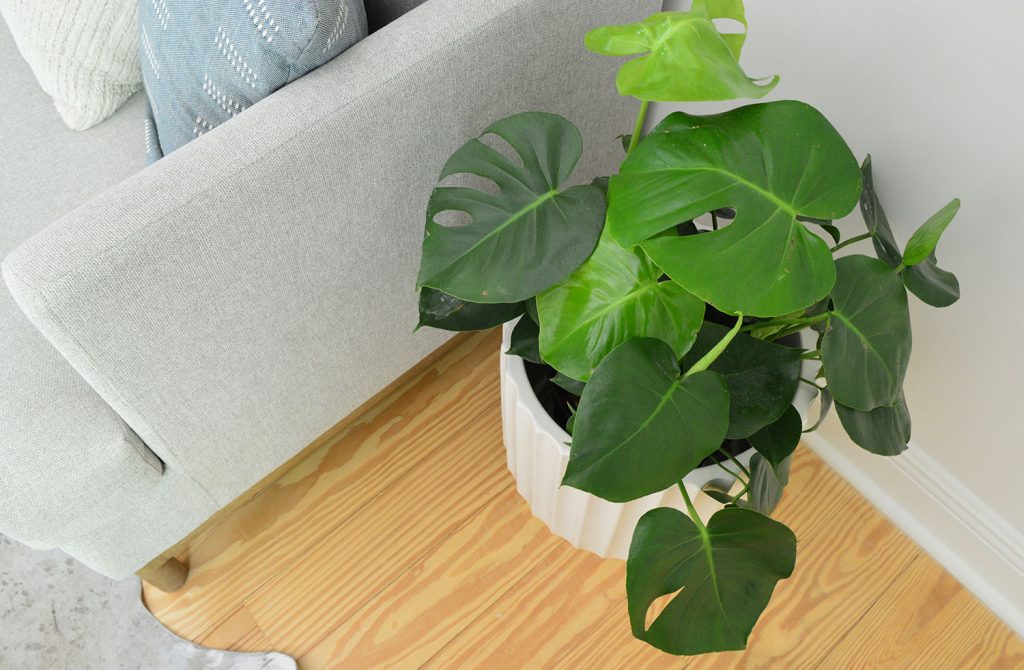
Often called a Swiss Cheese Plant, the Monstera deliciosa is another tropical beauty we’ve kept in not-so-bright locations in our home. More light will earn you larger, more dramatic leaves. This is why most monstera owners recommend bright locations. But we included it on this list because having a dark space shouldn’t stop you from bringing a monstera home. We have one that does just fine in a low-light hallway.
Parlor Palm
Parlor palms (Chamaedorea elegans) are a bushy, delicate-leaved palm that grows in lush clumps. They’re a great way to make an indoor location feel sunnier & more tropical. They’ll grow bigger in brighter spots, but will stay just as happy in a dim corner.
Other Low-Light Plants
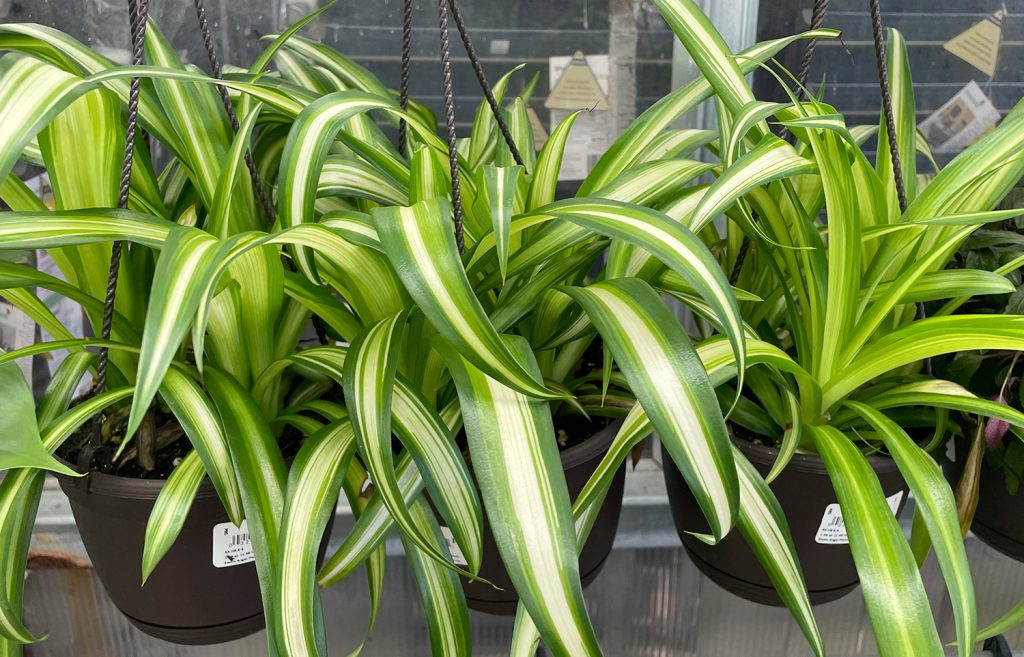
If none of our favorite 9 low-light plants above feel like the right move for you, here are some additional varieties you can look into. We haven’t owned as many of these, and some aren’t our preference visually, but we wanted to toss more options out there for you. Some may also take a bit more care.
- Spider plant (Chlorophytum comosum)
- Dragon tree (Dracaena marginata)
- Lucky bamboo (Dracaena braunii)
- Peace lily (Spathiphyllum)
- Staghorn fern (Platycerium bifurcatum)
- Maidenhair fern (Adiantum pedatum)
- Dumb cane (Dieffenbachia)
- Wax plant (Hoya carnosa)
Signs Your Plant Needs More Light
If you are worried your plant isn’t getting enough light, here are some things to look out for. But also keep in mind that plants die for a variety of reasons. In fact, overwatering (not underwatering) is a frequent culprit. It can cause yellowing leaves and rotted roots. This is especially true of plants in lower light because they may not need as much water as plants in sunny locations, since soil dries out faster there. Make sure your pot has a good drainage hole and your plant isn’t sitting in water.
Leaning
Plants will seek light by growing towards the closest source. This could cause your plant to lean or look lopsided. THE FIX: Rotate your plant a little bit every time you water it. Or move it to a spot with multiple light sources.
Leggy Growth
“Leggy” refers to long, sparse stems or vines with lots of space between leaves. It can be a sign that your plant is straining to get taller to find more light, but can’t sustain lush leaf growth as it does. THE FIX: Leggy growth may continue if you don’t move your plant to more light or add a grow light. But you can also prune back leggy stems to make it look its best. Use clean, sharp shears to clip a stem above a leaf node, trying not to take more than 1/3rd of the stem at a time. Propogate in water to develop new roots, and replant in the same pot to make it look fuller.
Leaf Appearance
If your plant has changed leaf color or size since purchasing – maybe they’ve become less glossy, green, or variegated – this may be a sign that your plant is conserving energy. Or if new growth is minimal or smaller than previous leaves. THE FIX: If you can’t move your plant to a brighter spot permanently, consider a grow light or a temporary move to a brighter location to let it soak in more light for a few weeks, especially during the spring & summer.
More Plant Guides
If you’re looking for more information on some of our favorite plants, check out some of these posts below:
*This post contains affiliate links, so we may earn a small commission when you make a purchase through links on our site at no additional cost to you.